

Hey there! As a heavy twill printed fabric supplier, I've had the pleasure of working with all sorts of folks who are into historical costumes. It's a super cool niche, and there are tons of details to think about when you're using our heavy twill printed fabric for these amazing outfits.
First off, let's talk about the historical accuracy of the pattern. When you're making a historical costume, the print on the fabric can make or break the authenticity. You've got to do your research on the time period you're aiming for. Different eras had their own unique patterns, color palettes, and printing techniques. For example, in the Victorian era, floral and geometric patterns were super popular. You can find some really great inspiration in old paintings, fashion plates, and historical manuscripts.
Our heavy twill printed fabric comes in a wide range of patterns, from classic damasks to more intricate floral designs. You can check out our Fashion Lady Dress Print Fabric for some really cool options that are perfect for historical costumes. These prints are carefully crafted to mimic the styles of different time periods, so you can be sure that your costume will look as authentic as possible.

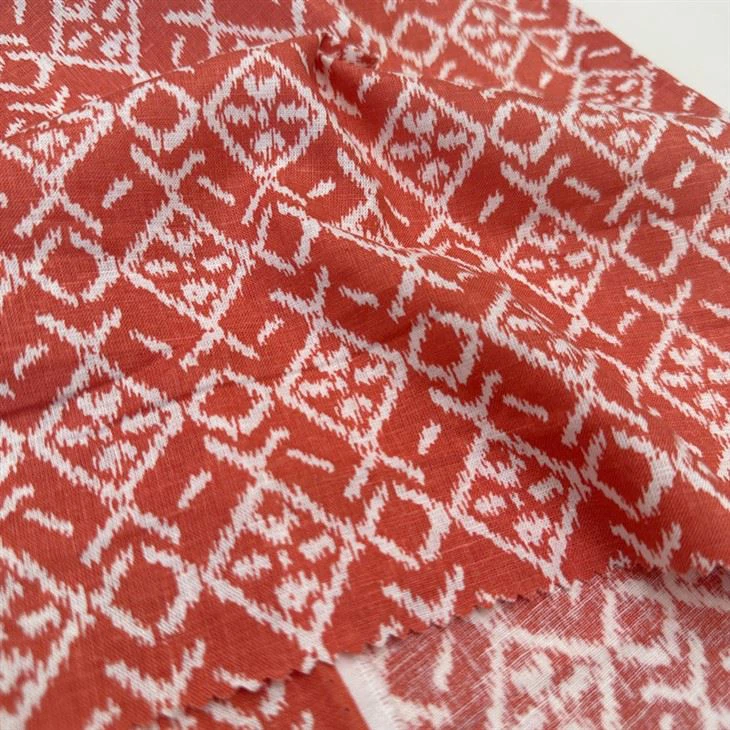
Another important detail is the color. Colors in historical fabrics were often limited by the dyes available at the time. Natural dyes were the norm, and they produced some really beautiful, earthy tones. You'll want to avoid using overly bright or modern colors that would be out of place in a historical costume. Stick to colors like muted reds, browns, greens, and blues.
Our fabric is printed using high - quality dyes that are designed to look as natural as possible. We've spent a lot of time researching and testing different color combinations to make sure that our prints are historically accurate. If you're looking for a more traditional look, our Cotton Jacquard Print Fabric has some great color options that are perfect for historical pieces.
The weight and texture of the heavy twill fabric also play a big role. Heavy twill is known for its durability and strength, which is great for costumes that need to withstand a lot of wear and tear. However, you need to make sure that the weight is appropriate for the time period you're recreating. In some eras, lighter fabrics were more common, while in others, heavier twills were used for outerwear or more formal garments.
For example, if you're making a medieval costume, a heavier twill might be more suitable for a cloak or a tunic. On the other hand, if you're doing a Renaissance dress, a lighter version of our twill fabric could work better. The texture of the twill can also affect the way the costume drapes. A smooth twill will give a more elegant look, while a rougher twill can add a bit of rustic charm.
The print placement is something that's often overlooked but can make a huge difference in the final look of the costume. When you're cutting out your pattern pieces, you need to pay attention to how the print will fall on the garment. You want to make sure that the pattern is centered and that it flows smoothly across the seams.
For example, if you're making a dress with a large floral print, you'll want to make sure that the flowers are placed in a way that enhances the shape of the dress. You might need to do some careful planning and cutting to get the print placement just right. Our team can actually provide you with some tips and tricks on how to best place the print on your fabric, so don't hesitate to reach out to us.
The fabric's stretch and drape are also crucial. Some historical costumes require a fabric that drapes well, like a flowing gown. In this case, you'll want to make sure that our heavy twill printed fabric has enough drape to create that elegant look. On the other hand, if you're making a more structured piece, like a jacket, you might want a fabric with less stretch.
Our Spandex Sateen Digital Print Fabric has a bit of stretch, which can be great for some historical costumes that need a bit of flexibility. But if you're going for a more rigid look, our standard heavy twill might be a better choice.
When it comes to sewing the costume, you need to use the right techniques. Historical costumes often had specific sewing methods that were used at the time. For example, hand - sewing was more common in the past, and it can add a really nice, authentic touch to your costume. You can use techniques like running stitch, backstitch, and whipstitch to sew the pieces together.
If you're using a sewing machine, make sure to use a stitch that mimics the look of hand - sewing. You'll also want to pay attention to the seam allowances. Different time periods had different standards for seam allowances, so do your research and make sure that you're following the correct measurements.
The finishing touches are what really bring a historical costume to life. Things like buttons, lace, and trim can make a huge difference in the overall look. You'll want to choose buttons and trim that are appropriate for the time period. For example, in the 18th century, metal buttons were very popular, while in the 19th century, fabric - covered buttons became more common.
Lace can also add a really delicate and feminine touch to a costume. You can use lace for collars, cuffs, or as a trim around the hem of a dress. Make sure that the lace you choose is the right style and color for your fabric.
In conclusion, using heavy twill printed fabric for historical costumes requires a lot of attention to detail. From the pattern and color to the weight, texture, and finishing touches, every aspect matters. If you're looking for high - quality, historically accurate heavy twill printed fabric, we've got you covered.
We're always happy to help you with any questions you might have about choosing the right fabric, print, or color for your historical costume project. Whether you're a professional costume designer or just someone who loves to make their own historical outfits, we're here to support you. So, if you're interested in purchasing our fabric or have any questions about our products, don't hesitate to reach out. We'd love to start a conversation and help you bring your historical costume vision to life.
References
- Costume History Books: Various publications on the history of fashion, which provided information on patterns, colors, and fabric weights in different time periods.
- Historical Art and Manuscripts: Old paintings, fashion plates, and manuscripts that were used to research authentic prints and color palettes.