

Hey there! As a supplier of heavy twill printed fabric, I've seen firsthand the amazing benefits it brings to the world of theatrical props. In this blog, I'm gonna break down why heavy twill printed fabric is a top choice for prop makers and theater enthusiasts alike.
Durability That Stands the Test of Time
One of the biggest advantages of heavy twill printed fabric is its durability. In the theater world, props go through a lot. They're handled, moved around, and sometimes even subjected to rough treatment during performances. Heavy twill fabric is up for the challenge.
The twill weave, which is characterized by its diagonal pattern, gives the fabric extra strength. It's less likely to tear or fray compared to other types of fabrics. This means that props made from heavy twill printed fabric can last for multiple productions, saving money in the long run. Whether it's a large backdrop or a small accessory, you can count on heavy twill to hold up.
For example, if you're creating a historical costume for a play, the fabric needs to be able to withstand the movements of the actor. Heavy twill can handle the bending, stretching, and pulling that comes with performing on stage. It won't lose its shape or start to look worn out after just a few shows.
Versatility in Design
Another great thing about heavy twill printed fabric is its versatility in design. The printing process allows for a wide range of colors, patterns, and images to be applied to the fabric. This means that you can create props that are truly unique and eye - catching.
You can print anything from realistic landscapes for a scenic backdrop to detailed emblems for a character's costume. The fabric can be customized to fit the specific theme and style of the production. Whether it's a modern, abstract design or a traditional, historical pattern, heavy twill can bring your vision to life.
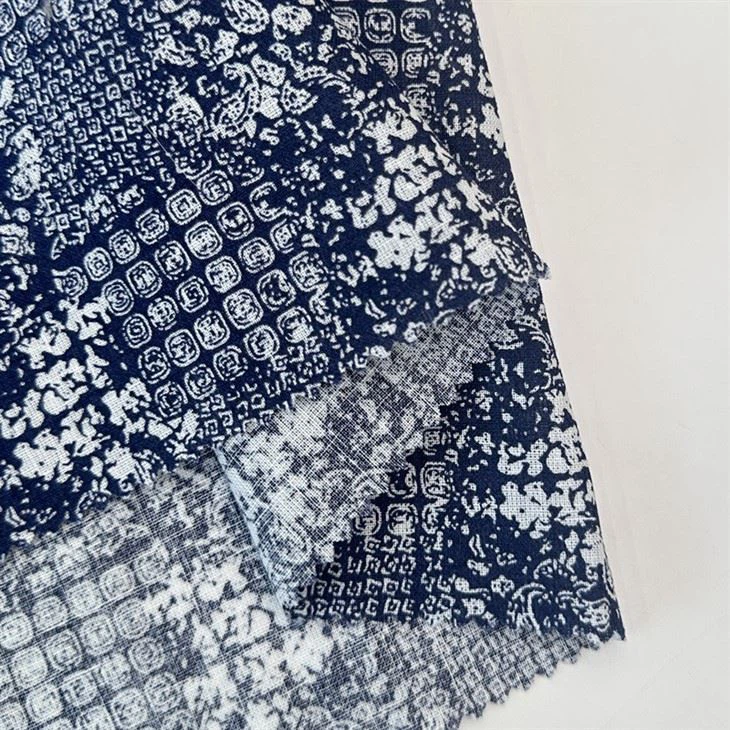

Let's say you're working on a science - fiction play. You can print futuristic cityscapes or alien creatures on the fabric to create an otherworldly atmosphere. Or, if it's a period piece, you can print vintage patterns to add authenticity to the props. The possibilities are endless.
Texture and Visual Appeal
Heavy twill fabric has a distinct texture that adds to its visual appeal. The diagonal weave creates a subtle pattern that catches the light in different ways, giving the fabric a depth and dimension that flat fabrics lack. This texture can enhance the overall look of the props and make them more interesting to the audience.
In a theatrical setting, the texture of the fabric can help to convey the mood and tone of the production. For a rustic, old - fashioned play, the rough texture of heavy twill can add to the sense of authenticity. On the other hand, for a sleek, modern production, a smooth - printed heavy twill can give a sophisticated look.
Ease of Manipulation
Working with heavy twill printed fabric is relatively easy. It can be cut, sewn, and shaped into various forms without much difficulty. Whether you're making a simple prop like a flag or a more complex one like a three - dimensional sculpture, heavy twill can be manipulated to fit your needs.
The fabric holds its shape well when sewn, so you don't have to worry about it stretching or distorting during the construction process. This makes it a great choice for prop makers of all skill levels. Even if you're new to prop making, you can achieve professional - looking results with heavy twill.
Cost - Effectiveness
When it comes to cost, heavy twill printed fabric is a smart choice. It offers a good balance between quality and price. Compared to some other high - end fabrics, heavy twill is more affordable, especially when you consider its durability.
Since the fabric can be used for multiple productions, you're getting more value for your money. You don't have to keep replacing props due to wear and tear. This is especially important for theater companies and independent producers who are working on a budget.
Comparison with Other Fabrics
Let's take a quick look at how heavy twill printed fabric stacks up against some other popular fabrics for theatrical props.
- Tencel Nylon Print Fabric: Tencel Nylon Print Fabric is known for its softness and moisture - wicking properties. While it's great for some applications, it may not be as durable as heavy twill. Heavy twill is better suited for props that will be subjected to a lot of handling and movement.
- New Style Shirt Print Fabric: New Style Shirt Print Fabric is often lighter and more delicate. It may not have the strength and durability needed for large or heavy - duty props. Heavy twill, on the other hand, can handle more stress and is a better choice for long - lasting props.
- Polyester Chiffon Printed Fabric: Polyester Chiffon Printed Fabric is very lightweight and has a flowing, ethereal look. However, it can be easily torn and may not be suitable for props that need to be sturdy. Heavy twill provides more stability and is a better option for props that need to maintain their shape.
Conclusion and Call to Action
In conclusion, heavy twill printed fabric offers a multitude of advantages for theatrical props. Its durability, versatility in design, texture, ease of manipulation, and cost - effectiveness make it a top choice for prop makers and theater professionals.
If you're in the market for high - quality fabric for your next theatrical production, I'd love to talk to you. Whether you have a specific design in mind or need some inspiration, I can help you find the perfect heavy twill printed fabric for your props. Reach out and let's start creating something amazing together!
References
- Textile Manufacturing Handbook: Covers the properties and manufacturing processes of different fabrics, including heavy twill.
- Theater Prop Making Guide: Provides insights into the requirements and best practices for creating props, and how different fabrics perform in a theatrical setting.