

How to Set the Background Color of a Canvas Fabric?
As a seasoned canvas fabric supplier, I've witnessed the diverse applications of canvas in various industries, from art and fashion to interior design and outdoor equipment. One of the most common questions I receive from our customers is how to set the background color of a canvas fabric. In this blog post, I'll share some practical methods and tips based on my experience and industry knowledge.
Understanding Canvas Fabric
Before we delve into the color - setting process, it's essential to understand the nature of canvas fabric. Canvas is a heavy - duty woven fabric typically made from cotton, linen, or synthetic fibers. It has a tight weave, which gives it strength and durability. Different types of canvas fabrics have different characteristics. For example, the 16+16x12+12 Canvas Fabric is known for its specific weave pattern and thickness, making it suitable for a range of applications. The White Cotton Duck Canvas Fabric is a popular choice for those who want a clean and classic look, while the Lightweight Waterproof Canvas Fabric is ideal for outdoor use.
Methods for Setting the Background Color
Dyeing
Dyeing is one of the most traditional and effective ways to set the background color of canvas fabric. There are two main types of dyes: natural and synthetic.
Natural Dyes: These are derived from plants, animals, or minerals. They offer a more eco - friendly option and can produce unique, earthy tones. For example, indigo from the indigo plant can create beautiful shades of blue. To use natural dyes, you first need to prepare the dye bath. Boil the plant material, strain the liquid, and then immerse the canvas fabric in the dye bath. Keep the fabric moving to ensure even coloring. The process may take several hours depending on the desired color intensity.
Synthetic Dyes: Synthetic dyes are more commonly used in industrial settings due to their wide range of colors, fast - acting properties, and colorfastness. They can be further classified into different types such as acid dyes, reactive dyes, and direct dyes. Reactive dyes, for instance, are very suitable for cotton canvas as they form a chemical bond with the fabric fibers, resulting in long - lasting color. To use synthetic dyes, follow the instructions on the dye package carefully. Usually, you'll need to dissolve the dye in hot water, add a fixative if required, and then soak the canvas in the dye solution.

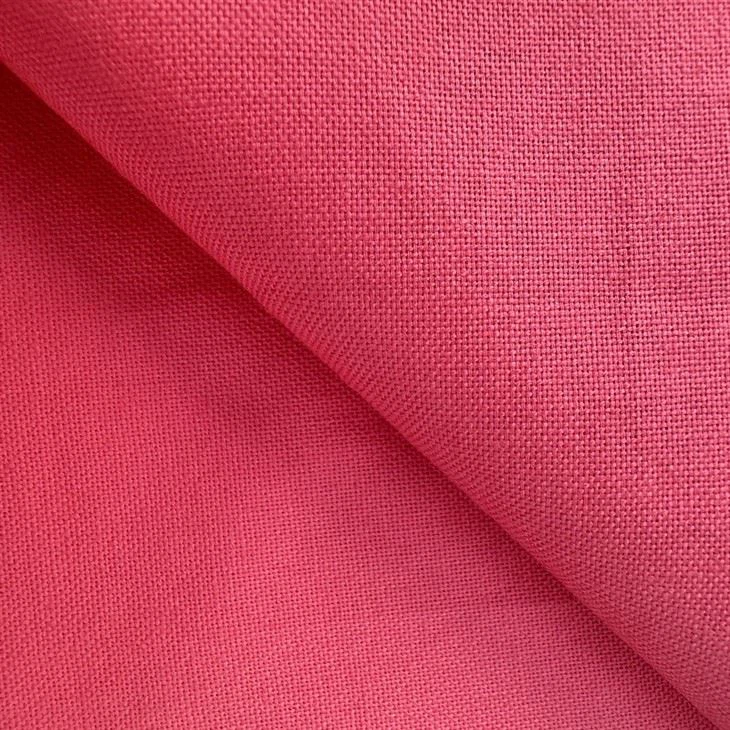
Paint
Using paint is another popular method, especially for artists and DIY enthusiasts. Acrylic paint is a great choice for canvas because it dries quickly, is water - based (so it's easy to clean up), and comes in a vast array of colors.
- Preparing the Canvas: Before painting, make sure the canvas is clean and free of any dust or debris. You can give it a light sanding to create a slightly rough surface that will help the paint adhere better.
- Applying the Paint: You can use a brush, roller, or spray gun to apply the paint. If you're using a brush, start with long, even strokes in one direction to avoid streaks. For a more uniform color, apply multiple thin layers rather than one thick layer. Let each layer dry completely before applying the next one.
Printing
Printing technology has advanced significantly in recent years, allowing for high - quality, detailed color application on canvas fabric.
- Screen Printing: This method involves using a stencil (screen) to transfer ink onto the canvas. It's a great option for creating patterns or designs with multiple colors. First, you create a screen for each color in your design. Then, you place the screen on the canvas and use a squeegee to push the ink through the open areas of the screen.
- Digital Printing: Digital printing offers more flexibility and precision. You can print any image or color combination directly onto the canvas using a digital printer. This method is ideal for small - batch production and custom designs.
Tips for a Successful Color - Setting
- Test First: Before applying the color to the entire canvas, test it on a small, inconspicuous area. This will help you determine if the color is what you expect and if the application method works well with the fabric.
- Follow Safety Precautions: When using dyes or paints, wear appropriate protective gear such as gloves and a mask. Work in a well - ventilated area to avoid inhaling fumes.
- Consider the End Use: Think about how the canvas will be used. If it's for outdoor use, choose a color - setting method that will result in a colorfast and weather - resistant finish.
Conclusion
Setting the background color of a canvas fabric is an exciting process that can transform a plain piece of fabric into a vibrant and unique material. Whether you choose dyeing, painting, or printing, each method has its own advantages and can be tailored to your specific needs. As a canvas fabric supplier, we're here to offer you high - quality canvas fabrics and support you in your color - setting projects.
If you're interested in purchasing our canvas fabrics for your next project, we'd love to have a conversation with you. Contact us to start a procurement discussion and explore the possibilities of using our canvas in your creative endeavors.
References
- "Textile Dyeing and Finishing" by R. M. Christie
- "The Complete Guide to Acrylic Painting on Canvas" by various artists' manuals
- Industry reports on canvas fabric printing technologies