

As a seasoned supplier of Oxford fabric, I've witnessed firsthand the growing demand for fire-resistant materials in various industries. In this blog, I'll share insights into how to make Oxford fabric fire-resistant, an essential property for applications where safety is paramount.
Understanding Oxford Fabric
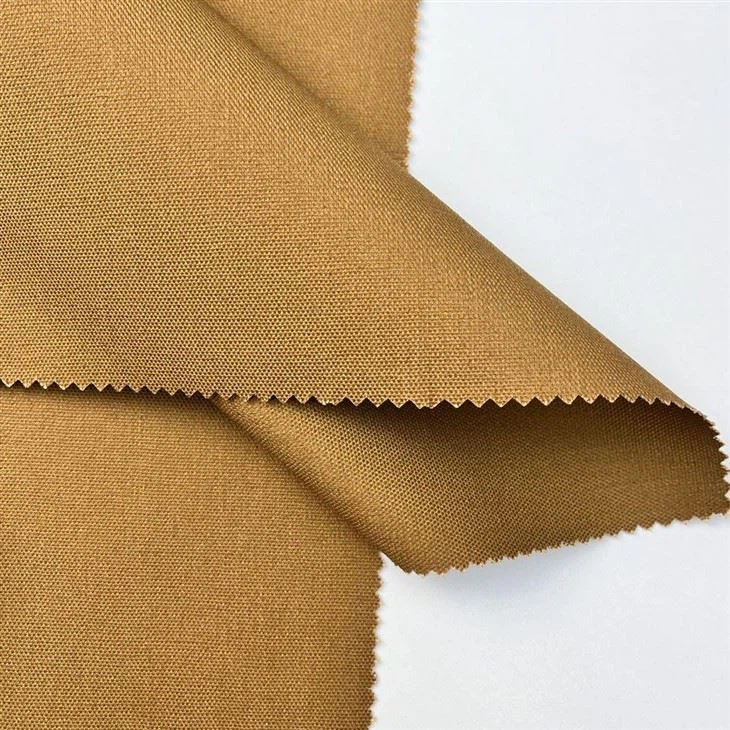
Oxford fabric is renowned for its durability, comfort, and versatility. It's commonly used in a wide range of products, including Mens Shirt Oxford Fabric, Waterproof Oxford Fabric, and Heavy Poly Cotton Oxford Fabric. This fabric is typically made from cotton or a blend of cotton and polyester, known for its basket weave construction, which gives it a distinctive appearance and strength.
The Importance of Fire-Resistant Oxford Fabric
Fire-resistant Oxford fabric is crucial in industries where the risk of fire is high, such as construction, transportation, and protective clothing. In these environments, a fire can spread rapidly and cause significant damage, injuries, or even fatalities. By using fire-resistant Oxford fabric, the spread of flames can be slowed down or stopped, providing valuable time for evacuation and fire suppression.
Methods of Making Oxford Fabric Fire-Resistant
There are several methods to make Oxford fabric fire-resistant, each with its own advantages and limitations. The choice of method depends on the specific requirements of the application, such as the level of fire resistance needed, the durability of the treatment, and the cost.
1. Chemical Treatment
Chemical treatment is the most common method of making Oxford fabric fire-resistant. This involves applying fire-resistant chemicals to the fabric during the manufacturing process. These chemicals can be divided into two main categories: inorganic and organic.
-
Inorganic Chemicals: Inorganic chemicals, such as borax, boric acid, and alum, are widely used for fire-resistant treatment due to their low cost and effectiveness. They work by forming a protective layer on the fabric surface when exposed to heat, which prevents oxygen from reaching the fabric and thus slows down the combustion process. However, inorganic chemicals can be less durable and may require reapplication after repeated washing.
-
Organic Chemicals: Organic chemicals, such as halogenated compounds and phosphorus-based compounds, are more effective and durable than inorganic chemicals. They work by releasing reactive radicals when exposed to heat, which react with the free radicals in the combustion process and thus inhibit the spread of flames. However, organic chemicals can be more expensive and may have environmental and health concerns.
The application of chemical treatment can be done through various methods, such as padding, spraying, or dipping. Padding is the most commonly used method, where the fabric is passed through a bath of the fire-resistant chemical solution and then squeezed to remove excess liquid. The fabric is then dried and cured to fix the chemical on the fabric surface.
2. Flame-Retardant Fibers
Another method of making Oxford fabric fire-resistant is to use flame-retardant fibers in the manufacturing process. Flame-retardant fibers are specially designed to resist combustion and slow down the spread of flames. They can be made from various materials, such as aramid, modacrylic, and polybenzimidazole (PBI).
-
Aramid Fibers: Aramid fibers, such as Kevlar and Nomex, are known for their high strength, heat resistance, and flame retardancy. They are commonly used in protective clothing, such as firefighter suits and military uniforms. Aramid fibers work by forming a char layer on the surface when exposed to heat, which protects the underlying fibers from further burning.
-
Modacrylic Fibers: Modacrylic fibers are synthetic fibers that have excellent flame-retardant properties. They are often used in applications where comfort and aesthetics are important, such as upholstery and drapery. Modacrylic fibers work by releasing non-combustible gases when exposed to heat, which dilute the oxygen in the air and thus slow down the combustion process.
-
PBI Fibers: Polybenzimidazole (PBI) fibers are high-performance fibers that have exceptional heat resistance and flame retardancy. They are commonly used in extreme environments, such as aerospace and motorsports. PBI fibers work by remaining stable at high temperatures and not melting or dripping, which reduces the risk of spreading fire.
Using flame-retardant fibers in the manufacturing process can provide a more permanent and effective fire-resistant solution compared to chemical treatment. However, flame-retardant fibers can be more expensive and may have limitations in terms of availability and processing.
3. Coating
Coating is another method of making Oxford fabric fire-resistant. This involves applying a fire-resistant coating to the fabric surface, which can provide a barrier against flames and heat. The coating can be made from various materials, such as silicone, polyurethane, and intumescent coatings.
-
Silicone Coatings: Silicone coatings are known for their excellent heat resistance, water repellency, and flexibility. They can provide a high level of fire resistance and are commonly used in applications where flexibility and durability are important, such as outdoor clothing and tents. Silicone coatings work by forming a protective layer on the fabric surface when exposed to heat, which prevents oxygen from reaching the fabric and thus slows down the combustion process.
-
Polyurethane Coatings: Polyurethane coatings are widely used for their excellent abrasion resistance, water resistance, and adhesion. They can provide a moderate level of fire resistance and are commonly used in applications where durability and aesthetics are important, such as automotive interiors and furniture. Polyurethane coatings work by forming a char layer on the surface when exposed to heat, which protects the underlying fabric from further burning.

-
Intumescent Coatings: Intumescent coatings are special coatings that expand when exposed to heat, forming a thick, insulating layer on the fabric surface. This layer can provide excellent fire resistance and can significantly reduce the heat transfer to the underlying fabric. Intumescent coatings are commonly used in applications where a high level of fire protection is required, such as building construction and electrical equipment.
The application of coating can be done through various methods, such as spraying, brushing, or roller coating. The choice of coating method depends on the type of coating, the fabric substrate, and the desired properties of the final product.
Factors to Consider When Choosing a Fire-Resistant Treatment
When choosing a fire-resistant treatment for Oxford fabric, several factors need to be considered to ensure the effectiveness, durability, and cost-effectiveness of the treatment.
-
Level of Fire Resistance: The level of fire resistance required depends on the specific application and the relevant safety standards. Different industries and applications may have different requirements for fire resistance, so it's important to choose a treatment that meets or exceeds these requirements.
-
Durability: The durability of the fire-resistant treatment is an important factor to consider, especially for applications where the fabric will be exposed to frequent washing, abrasion, or other forms of wear and tear. A durable treatment will maintain its fire-resistant properties over time, ensuring long-term safety and performance.
-
Cost: The cost of the fire-resistant treatment is another important factor to consider. Different treatments have different costs, and the choice of treatment should be based on a balance between the level of fire resistance required, the durability of the treatment, and the budget available.
-
Environmental and Health Concerns: It's important to consider the environmental and health impacts of the fire-resistant treatment. Some chemicals and materials used in the treatment may have negative effects on the environment or human health, so it's important to choose a treatment that is safe and sustainable.
Quality Control and Testing
Once the Oxford fabric has been treated to make it fire-resistant, it's important to conduct quality control and testing to ensure that the fabric meets the required fire-resistant standards. Quality control measures should be implemented throughout the manufacturing process, from the selection of raw materials to the final inspection of the finished product.
Testing methods for fire-resistant Oxford fabric include flammability tests, such as the Steiner Tunnel Test, the Vertical Burn Test, and the Cone Calorimeter Test. These tests measure the fabric's resistance to ignition, flame spread, and heat release, and provide a quantitative assessment of the fabric's fire-resistant properties.
In addition to flammability tests, other tests may also be conducted to evaluate the durability, colorfastness, and other properties of the fire-resistant Oxford fabric. These tests ensure that the fabric meets the requirements of the specific application and provides long-term performance and safety.
Conclusion
Making Oxford fabric fire-resistant is a crucial step in ensuring the safety and performance of various products in industries where the risk of fire is high. By understanding the different methods of making Oxford fabric fire-resistant, the factors to consider when choosing a treatment, and the importance of quality control and testing, we can provide our customers with high-quality fire-resistant Oxford fabric that meets their specific needs.
If you're interested in purchasing fire-resistant Oxford fabric or learning more about our products and services, please don't hesitate to contact us. Our team of experts is always ready to assist you with your inquiries and help you find the best solution for your application. We look forward to the opportunity to work with you and contribute to your success.
References
- ASTM International. ASTM D 6413 - 08(2017) Standard Test Method for Flame Resistance of Textiles (Vertical Test). West Conshohocken, PA: ASTM International, 2017.
- ISO. ISO 15025:2016 Protective clothing -- Protection against flames -- Determination of flame resistance of materials and composites. Geneva, Switzerland: ISO, 2016.
- The Textile Institute. Fire retardancy of textiles. Manchester, UK: The Textile Institute, 2001.
- Weil, E. D., & Levchik, S. V. (Eds.). Flame retardancy of polymeric materials. New York: Marcel Dekker, 2008.