

Air permeability is a crucial factor in determining the wearing comfort of fabrics, and when it comes to CVC (Chief Value of Cotton) fabric, its impact is even more significant. As a CVC fabric supplier, I've witnessed firsthand how the air permeability of CVC fabric can transform the wearing experience. In this blog, I'll delve into the science behind air permeability, explore its effects on comfort, and highlight how our CVC fabrics excel in this aspect.

Understanding Air Permeability
Air permeability refers to the fabric's ability to allow air to pass through it. It is measured in cubic feet of air per minute per square foot of fabric (CFM) or liters per square meter per second (L/m²/s). A higher air permeability value indicates that more air can flow through the fabric, which is generally desirable for comfortable clothing.
The air permeability of a fabric is influenced by several factors, including the fabric's structure, fiber type, and finishing treatments. For CVC fabric, which is a blend of cotton and polyester, the ratio of these two fibers plays a significant role in determining its air permeability. Cotton is a natural fiber with good breathability, while polyester is a synthetic fiber that is more hydrophobic and less breathable. Therefore, a higher cotton content in the CVC fabric generally results in better air permeability.
The Impact of Air Permeability on Wearing Comfort
The air permeability of CVC fabric has a direct impact on wearing comfort in several ways:
Temperature Regulation
One of the primary functions of air permeability is to regulate body temperature. When we exercise or are in a warm environment, our bodies produce sweat to cool down. If the fabric we are wearing is not breathable, the sweat will accumulate on our skin, making us feel hot and uncomfortable. On the other hand, if the fabric has good air permeability, the air can flow through the fabric, carrying away the sweat and heat from our bodies, keeping us cool and dry.
For example, imagine wearing a pair of CVC Men Pants Fabric with high air permeability on a hot summer day. As you walk or engage in physical activities, the air will circulate through the fabric, allowing your skin to breathe and preventing the buildup of heat and moisture. This will make you feel more comfortable and less likely to experience heat-related discomfort.
Moisture Management
In addition to temperature regulation, air permeability also plays a crucial role in moisture management. When we sweat, the moisture needs to be wicked away from our skin to prevent it from feeling damp and sticky. A fabric with good air permeability allows the moisture to evaporate more quickly, keeping our skin dry and comfortable.
CVC fabric with high air permeability can effectively wick away sweat and moisture, thanks to its cotton component. Cotton has a high absorbency rate, which means it can absorb and hold a large amount of moisture. At the same time, the air flowing through the fabric helps to evaporate the moisture, preventing it from accumulating on the skin.
Odor Prevention
Another benefit of air permeability is that it helps to prevent the buildup of odor. When sweat accumulates on our skin, it provides a breeding ground for bacteria, which can produce unpleasant odors. A fabric with good air permeability allows the air to circulate, reducing the humidity and preventing the growth of bacteria.
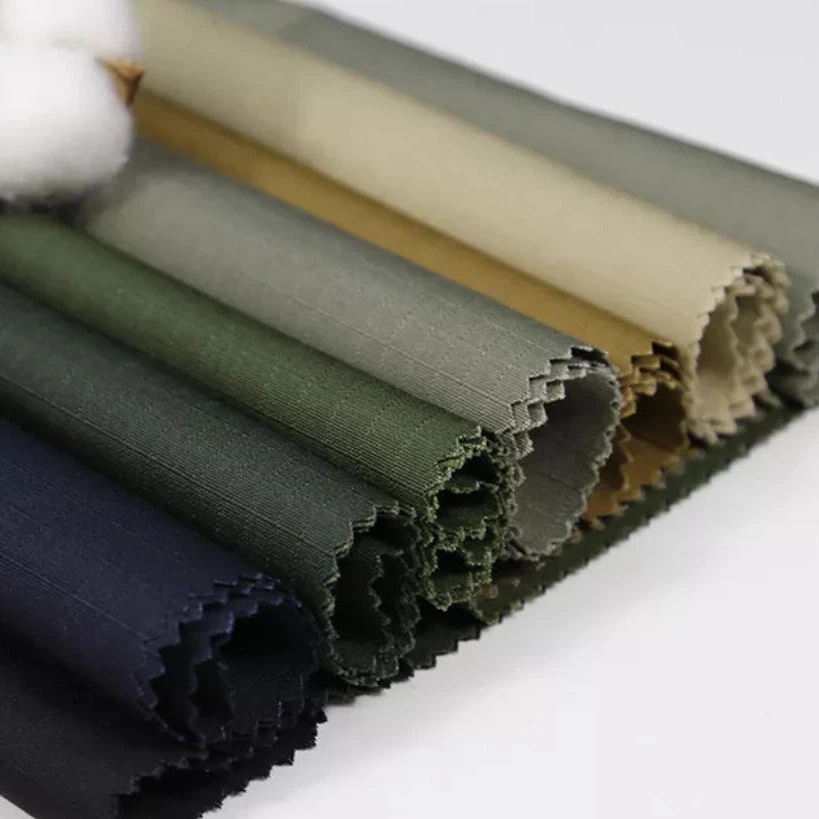
Our CVC Ribstop Spandex Fabric is designed with high air permeability to keep you fresh and odor-free. The ribstop structure of the fabric not only provides added durability but also enhances its air permeability, allowing for better ventilation and moisture management.
Our CVC Fabrics: High Air Permeability for Optimal Comfort
As a CVC fabric supplier, we understand the importance of air permeability in providing comfortable clothing. That's why we offer a wide range of CVC fabrics with excellent air permeability, ensuring that our customers can enjoy the benefits of breathable and comfortable clothing.
One of our popular CVC fabrics is the CVC 32x21/130x70 Twill Fabric. This fabric is made from a blend of high-quality cotton and polyester, with a twill weave that provides a smooth and durable surface. The twill weave also enhances the fabric's air permeability, allowing for better ventilation and moisture management.
In addition to our twill fabric, we also offer CVC fabrics with other weaves and finishes, such as plain weave, satin weave, and brushed finish. Each of these fabrics is carefully designed to provide optimal air permeability and comfort, making them suitable for a variety of applications, including workwear, casual wear, and sportswear.
Conclusion
The air permeability of CVC fabric is a critical factor in determining its wearing comfort. By allowing air to flow through the fabric, it helps to regulate body temperature, manage moisture, and prevent odor buildup. At our company, we are committed to providing high-quality CVC fabrics with excellent air permeability, ensuring that our customers can enjoy the benefits of comfortable and breathable clothing.
If you are interested in learning more about our CVC fabrics or would like to discuss your specific requirements, please feel free to contact us. We would be happy to assist you in finding the perfect fabric for your needs.
References
- ASTM D737 - Standard Test Method for Air Permeability of Textile Fabrics
- ISO 9237 - Textiles - Determination of the Permeability of Fabrics to Air
- Textile Institute - Handbook of Textile Fibres, Volume 1: Natural Fibres